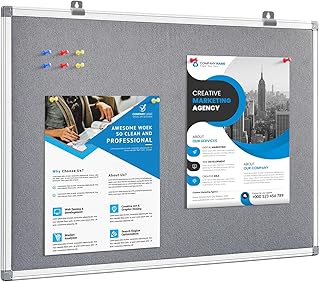
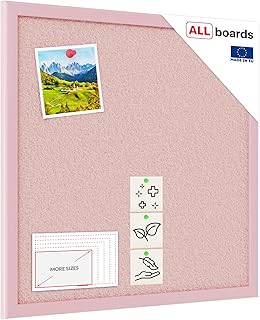
Ultimate Noticeboard Selection Guide for Modern Spaces in 2026
As we step into 2026, the need for functional yet stylish noticeboards in modern spaces has never been more vital. With the rise of remote work and dynamic office environments, the right noticeboard can serve not only as a practical tool for communication but also as a key element in interior design. This guide aims to illuminate the various options available, helping you make an informed choice for your space.
Understanding the Modern Noticeboard
In the past, noticeboards were often relegated to the back office or a forgotten corner of the home. However, in today's fast-paced world, they have evolved into essential components of both home and office design. Modern noticeboards are not just functional; they are also aesthetically pleasing and can enhance the overall ambience of a room.
Types of Noticeboards
When selecting a noticeboard for your space, it is important to consider the different types available. Each type has its unique benefits and is suitable for various environments. The most common types include cork boards, whiteboards, and fabric boards. Cork boards are excellent for pinning up notes and messages, while whiteboards offer a writable surface for brainstorming and planning. Fabric boards add a touch of elegance and can be used for pinning various items without the bulk of traditional cork.
People Also Look For:
- VIZ-PRO Cork Notice Board, 120x90cm, Silver Aluminium Frame
- Unframed Fire-Retardant Noticeboard from Metroplan | Wall-Mounted Bulletin Pinboard 800 X 540 mm | 8 Colours to Choose from - Idea...
- Swansea Enclosed Bulletin Board Lockable White Board Noticeboard with Door Wall Display Case for School Office 67x50cm(4xA4)
- REXEL Small Magnetic Whiteboard & Cork Notice Board Combo, Assorted Two Tone Trim, Dry Wipe, Wall Mountable, Integrated Pen Clip, ...
- MAKELLO Lockable Noticeboard 720x670mm, Display Pinboard Case for Office School Home Store Community Centre, Grey Felt, Aluminum F...
Materials Matter
The material of your noticeboard can significantly impact its durability and appearance. In 2026, sustainable materials are becoming increasingly popular. Noticeboards made from recycled materials or responsibly sourced wood not only contribute to environmental conservation but also add a unique character to any space. Metal noticeboards are another option, providing a sleek, modern finish and allowing for the use of magnets for easy attachment of notes and images.
Size and Format Considerations
The size of the noticeboard is a crucial factor to consider. In 2026, with the trend towards open-plan offices and multifunctional living spaces, smaller boards that can be clustered together are gaining popularity. These modular boards can be arranged to fit your needs, making them versatile for various uses. Alternatively, larger boards can serve as statement pieces in a room, especially when designed with vibrant colours or artistic patterns.
Design Trends for 2026
As we look at the design trends for 2026, noticeboards are expected to reflect the overall aesthetic of the space they inhabit. Minimalist designs with clean lines and neutral colours will continue to dominate, appealing to the modern sensibility of simplicity and functionality. Furthermore, there is a growing interest in bespoke noticeboards that can be customised to fit specific themes or colour palettes, allowing for personal expression within professional environments.
Functional Features
In addition to their visual appeal, modern noticeboards in 2026 are being designed with functionality in mind. Features such as integrated lighting, magnetic surfaces, and built-in storage for stationery are becoming commonplace. These innovations not only enhance usability but also contribute to a more organised workspace, reducing clutter and improving productivity.
Where to Place Your Noticeboard
The placement of your noticeboard is just as important as its selection. Strategic positioning can boost visibility and encourage interaction. In office settings, placing noticeboards in communal areas can foster collaboration and communication among team members. For home use, consider placing them in high-traffic areas like the kitchen or hallway where they can serve as both a reminder tool and a decorative element.
Customisation Options
Customisation is a major trend in 2026, allowing individuals and businesses to tailor noticeboards to their specific needs. From choosing colours and materials to adding personal graphics or branding, the options are endless. This level of personalisation ensures that the noticeboard not only serves a practical purpose but also aligns with the overall design ethos of the space.